
Review · GUADELOUPE
Stand up paddle in paradise
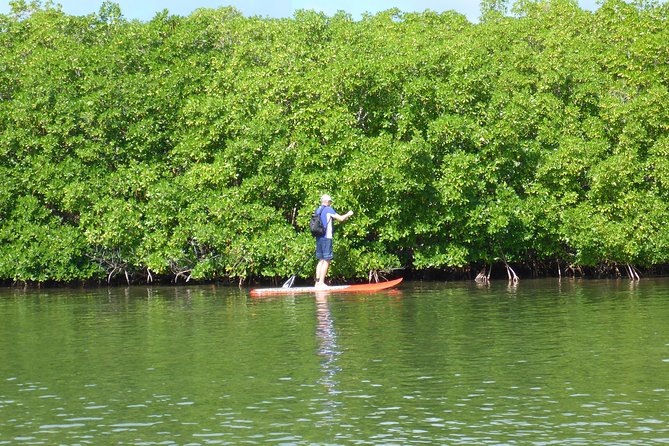
The best part of this outing is not simply standing on a paddleboard. It is slipping into the narrow red mangrove tunnels near Islet Macou, where boats cannot go, and seeing the coastline from water level. The route begins at quiet Babin Beach, then moves into the Grand Cul-de-Sac Marin with time to learn how the mangrove shelters marine life and protects the shore.
I like the calm setting and the small maximum group of 10. I also like that the guides make this a real introduction, not a race across open water. The main consideration is that you need to balance on a board for much of the 2.5-hour outing, and the activity depends on good weather.
Key points to know before you book
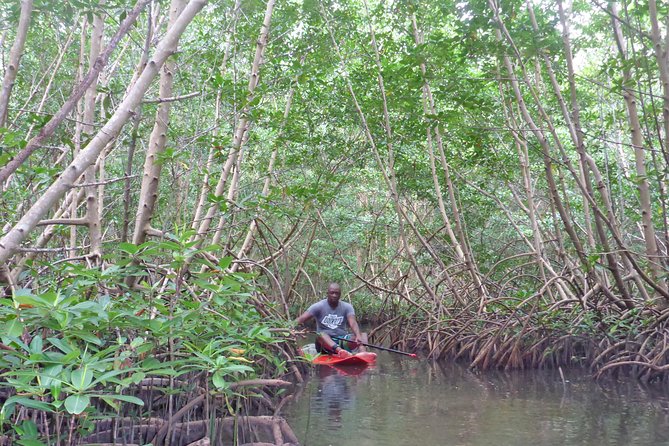
- Red mangrove tunnels: Paddle through natural plant galleries that are too narrow for many boats.
- Beginner-friendly instruction: A qualified guide teaches the basics before the route begins.
- Quiet Babin Beach start: The outing begins away from Guadeloupe’s busier activity circuits.
- Small group size: No more than 10 people take part, which gives the guide room to help.
- Homemade lemonade stop: The route includes a pause in a small cove for a cold drink.
- Family option: Children under 12 may accompany a parent or the instructor on the boards.
Why the mangrove route is the real attraction
Guadeloupe offers plenty of ways to see the coast, but a paddleboard gives you a low, quiet view that changes the scale of everything around you. From a board, you are close to the clear water and can look down at the marine plants and animals beneath you. You also move quietly enough to enter tight corners of the mangrove.
The route heads toward Islet Macou along the mangrove edge. After the initial instruction, you follow the guide into narrower passages, including natural galleries formed by red mangrove growth. This is the part that gives the outing its character. You are not only looking at the mangrove from a boat. You are moving through its interior.
The guide explains the main roles of the mangrove and the species that use it for shelter. That matters because mangroves can look like a wall of roots and leaves if you do not know what you are seeing. With some context, the tangled shoreline becomes a working coastal ecosystem rather than a simple backdrop.
The route also shows why paddleboarding suits this setting. A motorboat needs open water and room to turn. A paddleboard can move into narrow spaces and follow the bends of the mangrove. You should expect a nature outing with gentle instruction, not an athletic workout or a high-speed water sport.
More paddleboard tours around the world:
- Ibiza Beach Hopping Cruise with Paddleboards, Drinks and Food 6h
★ 5.0 · 5,588 reviews - Ibiza: Beach Hopping Cruise w/ Paddleboard, Food, & Drinks
★ 4.5 · 3,224 reviews - Dolphin and Manatee Stand Up Paddleboard Tour in Daytona Beach
★ 5.0 · 2,328 reviews
Starting at quiet Babin Beach
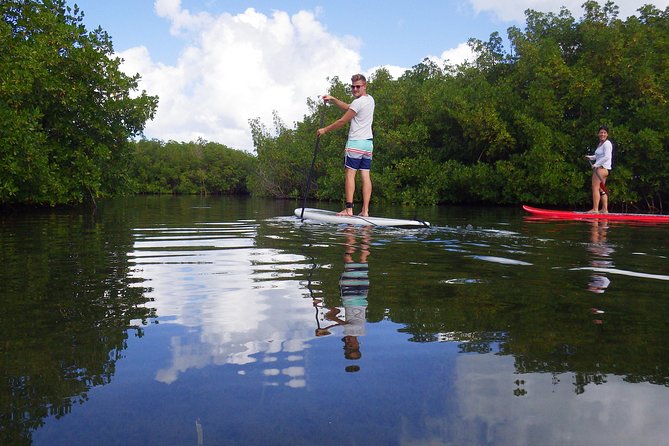
The meeting point is Plage de Babin, on Grande-Terre Island. The activity begins at 9:00 am and returns to the same place after roughly two and a half hours. That morning schedule is useful in Guadeloupe’s warm climate, since you can enjoy the water before the day feels too hot.
Babin Beach is described as a quiet haven away from the busiest circuits. That gives the outing a more relaxed beginning. Instead of arriving at a packed watersports center, you can focus on getting comfortable with the board and listening to the first instructions.
The provider supplies the stand-up paddleboard, paddle, and leash. You should bring your own sunscreen, a cord for glasses if you need one, and water shoes. Those omissions are small, but worth noting before you leave your accommodation. The supplied information does not list transport, meals, or hotel pickup, so plan to reach Babin Beach independently.
A mobile ticket is accepted, and confirmation arrives when you book. Other availability can be requested, though the listed start time is 9:00 am.
Learning to stand before heading into the mangrove
If this is your first time on a paddleboard, the instruction at the beginning is important. The guide teaches you how to get on the board, find your balance, and use the paddle before the group heads toward the mangrove.
That first section is meant to make the activity accessible. You do not need to arrive as a practiced paddleboarder. One person described the challenge as enough to feel accomplished afterward without being very hard. That is a useful way to picture the outing: you will need to pay attention to balance, but this is not presented as a demanding technical course.
You may wobble at first. That is normal for a first attempt, and the small group limit helps here. With a maximum of 10 people, the guide can keep an eye on beginners rather than sending a large line of boards through the route.
The activity is also suitable for families. Children under 12 can accompany a parent or the instructor on the boards. Since the child arrangement is specific, families should be ready to follow the guide’s directions rather than assuming every child will paddle alone.
Guides Mathieu and Lilian are named with the outing. Mathieu is described as friendly and helpful, while Lilian brings particular enthusiasm to the mangrove explanations. You can expect the guide’s role to include both paddle instruction and interpretation of the coastal environment.
Gliding toward Islet Macou
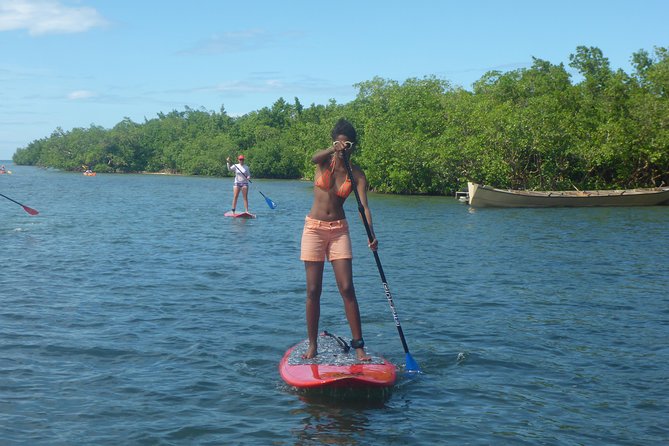
Once you are comfortable, the group heads toward Islet Macou along the mangrove. The clear water gives you a chance to see marine life and plants from the board, while the paddle keeps the pace gentle and quiet.
This is where the activity differs from a standard beach lesson. The board is not just equipment for practicing balance. It is your way into parts of the coast that are difficult to reach by boat. You can move through small channels and get a close view of the mangrove’s structure.
The route is described as a circuit, so you are not simply paddling in a straight line and turning around. The exact shape of the circuit may depend on local conditions, but the plan includes open coastal water, narrower passages, and a stop in a small cove.
You should not expect a guided wildlife safari with guaranteed sightings. The promise is a privileged view of marine fauna and flora, not a list of specific animals. Nature is part of the setting rather than a performance. That makes the outing best for you if you enjoy learning about an ecosystem even when wildlife remains subtle.
Same water, a different way to stand on it:
- Magnetic Island Discovery Tour with Snorkeling & Paddle Boarding
★ 5.0 · 1,372 reviews - Raccoon Island: Exploration on SUP/Kayak
★ 4.8 · 1,289 reviews - Ibiza: Snorkeling and SUP Paddle, Beach and Cave Tour
★ 4.7 · 1,264 reviews - Dolphin, Manatee and SeaTurtle SUP Adventure Tour of St Augustine
★ 5.0 · 1,219 reviews
Entering the red mangrove galleries
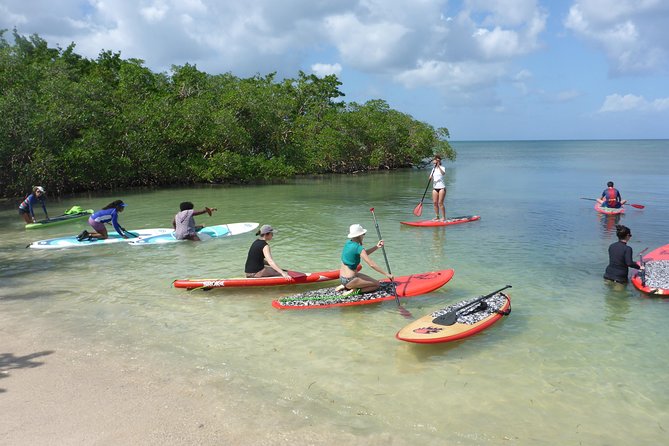
The natural plant tunnels are the most unusual section. Red mangroves form narrow galleries over the water, creating a shaded passage that feels separate from the open coastline. Paddleboarding lets you enter these spaces without the noise and size of a boat.
The passage can be impressive, but it may also feel more enclosed than the first part of the outing. If you prefer wide-open water and constant views, the mangrove interior may feel less spacious. If you like unusual routes and close views of coastal plants, it is likely to be the section you remember.
The guide explains how the mangrove works and which species find shelter there. You learn about the ecosystem while moving through it, rather than stopping for a long classroom talk. That keeps the information connected to what you can see around you.
I like this balance. The outing has a clear educational purpose, but it does not appear to turn into a formal lecture. You paddle, listen, look, and then move on. The result is a more active way to understand the Grand Cul-de-Sac Marin.
A lemonade stop in a small cove
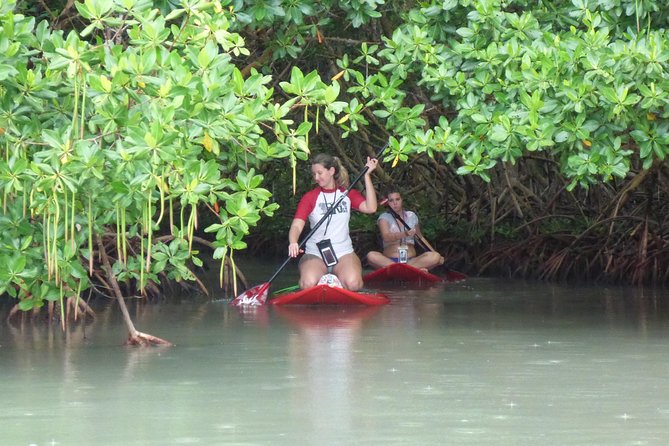
After the mangrove passage, the group pauses in a small cove for homemade lemonade. It is a simple touch, but it gives the route a useful break. Two and a half hours on a board can feel longer than two and a half hours on a beach, especially when you are still learning your balance.
The stop also breaks up the rhythm of the outing. You have time to rest, enjoy the water, and talk with the guide before returning. The lemonade is included, along with a photo report, so you do not need to arrange a drink or camera service separately.
Do not mistake the stop for a full meal. It is a refreshment pause, not a substitute for breakfast. Since the activity begins at 9:00 am, eat beforehand if you need more than a drink during the morning.
What the $59.67 price includes
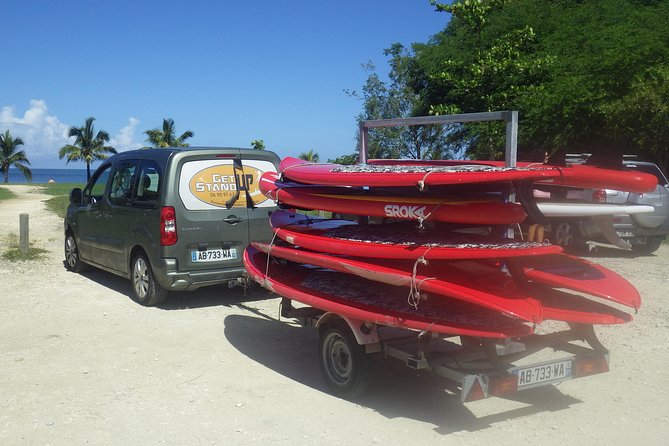
At $59.67 per person, the cost is reasonable if you want instruction, equipment, an eco-tour route, a drink, and photos in one short outing. You are not paying only for board rental. The guide provides the introduction, leads the route, and explains the mangrove ecosystem.
The value is strongest for first-time paddleboarders. Renting a board on your own may cost less in some places, but it would not give you the guided route through the mangrove or the ecological explanation. You would also need to find your own way through the channels.
The price is less compelling if you already paddle confidently and only want open water time. In that case, the guided interpretation and mangrove access are the main reasons to choose this outing. The attraction is the setting and the route, not a long period of independent paddling.
The small group limit improves the value. Ten people is still a group, but it is compact enough for personal help during the lesson. That is especially useful if you are worried about falling or have never handled a stand-up paddleboard.
Who will enjoy this outing most
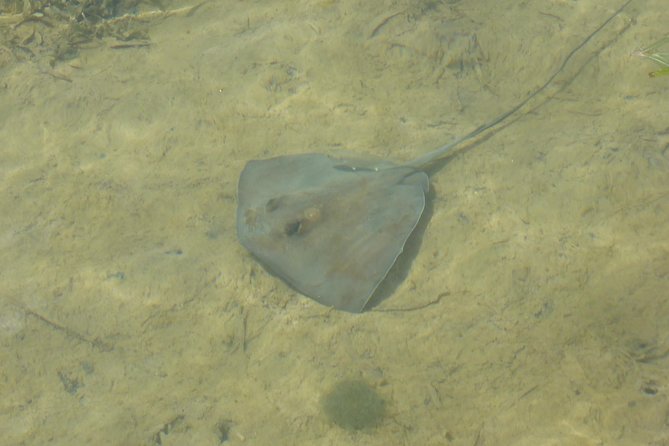
This is a good match for you if you want a gentle outdoor activity with a clear nature focus. Beginners can learn the basics, families can bring children under 12 under the stated arrangement, and people who enjoy coastal ecology will get more from the explanations.
It also suits anyone who prefers a quieter morning away from busy activity centers. The route is built around observation, conversation, and a relaxed pace rather than speed.
You may want to choose another activity if you dislike balancing on a board, want a strenuous workout, or prefer a large boat with plenty of dry seating. The information does not promise that you will stay dry, and paddleboarding naturally involves some instability. The activity requires good weather, so the plan can change if conditions are poor.
Most people can participate, but you should consider your own comfort on the water. The guide can teach the basic technique, but the board still requires you to stand, paddle, and maintain balance.
Practical details for a smooth morning
Plan to arrive at Plage de Babin ready for the water. Bring sunscreen, since it is not included, and consider a cord for glasses if you wear them. Water shoes are also not supplied, so bring your own if you prefer extra foot protection.
The supplied equipment includes the paddleboard, paddle, and leash. A photo report is included, which means you can focus on paddling instead of trying to document every part of the route yourself.
The tour ends back at the meeting point. There is no separate finish location to arrange, and the total outing lasts about two hours and 30 minutes.
The activity is commonly booked about 21 days ahead, which suggests that you should not leave it until the last minute if your schedule is fixed. Confirmation is provided at booking. If you need another departure time, availability can be requested.
The cancellation terms are friendly if your plans remain flexible. You can cancel at least 24 hours before the 9:00 am start for a full refund. Inside that 24-hour period, changes are not accepted and the payment is not refunded. Poor weather or failure to reach the minimum group size can also lead to a different date or a full refund.
Should you book the Babin Beach paddle?
Book this outing if you want to see the Grand Cul-de-Sac Marin from a quiet, low viewpoint and you like the idea of learning while you move. The red mangrove tunnels, small group, guide-led instruction, and homemade lemonade make it more distinctive than a basic paddleboard rental.
I would especially recommend it for first-timers, families with children under 12, and anyone curious about how mangroves support coastal life. Skip it if you want a fast, athletic session or dislike the uncertainty of weather-dependent plans.
At $59.67, you are paying for access to a route that is difficult to appreciate from land, plus equipment, instruction, ecological explanation, photos, and a refreshment stop. For that combination, it is a fair buy, provided you are comfortable balancing on the board.
FAQ
Where does the stand-up paddle activity begin?
It begins at Plage de Babin on Grande-Terre Island, Guadeloupe.
What time does the activity start?
The listed start time is 9:00 am.
How long does the outing last?
The activity lasts approximately two hours and 30 minutes.
Where does the activity end?
It ends back at the meeting point at Plage de Babin.
What equipment is included?
A stand-up paddleboard, paddle, and leash are included. A photo report and homemade lemonade are also included.
What should I bring?
You should bring sunscreen, a cord for glasses, and water shoes. These items are not included.
Can children take part?
Children under 12 can accompany a parent or the instructor on the boards. Most people can participate, and the group is limited to a maximum of 10 people.
What happens if the weather is poor?
The activity requires good weather. If it is canceled because of poor weather, you can receive a different date or a full refund.
Freshly launched around the world
- Virginia Beach: Sunset Stand-Up Paddleboarding Tour★ 5.0 · 4 reviews
- Watersports Adventure Alicante: SUP, Kayak and snorkel!★ 3.5 · 3 reviews
- Victoria: Sunrise or Sunset SUP Tour★ 5.0 · 4 reviews
- Oahu: Kailua Stand Up Paddle Board Lesson★ 5.0 · 2 reviews
- Viana do Castelo: Vez River SUP with Transfer Options★ 4.9 · 10 reviews
- Victoria: Marine Wildlife Guided SUP Adventure★ 5.0 · 4 reviews
- Transparent Stand Up Paddle Rental (single-seater)★ 4.0 · 4 reviews
- Transparent Stand Up Paddle Rental (two-seater)★ 5.0 · 4 reviews